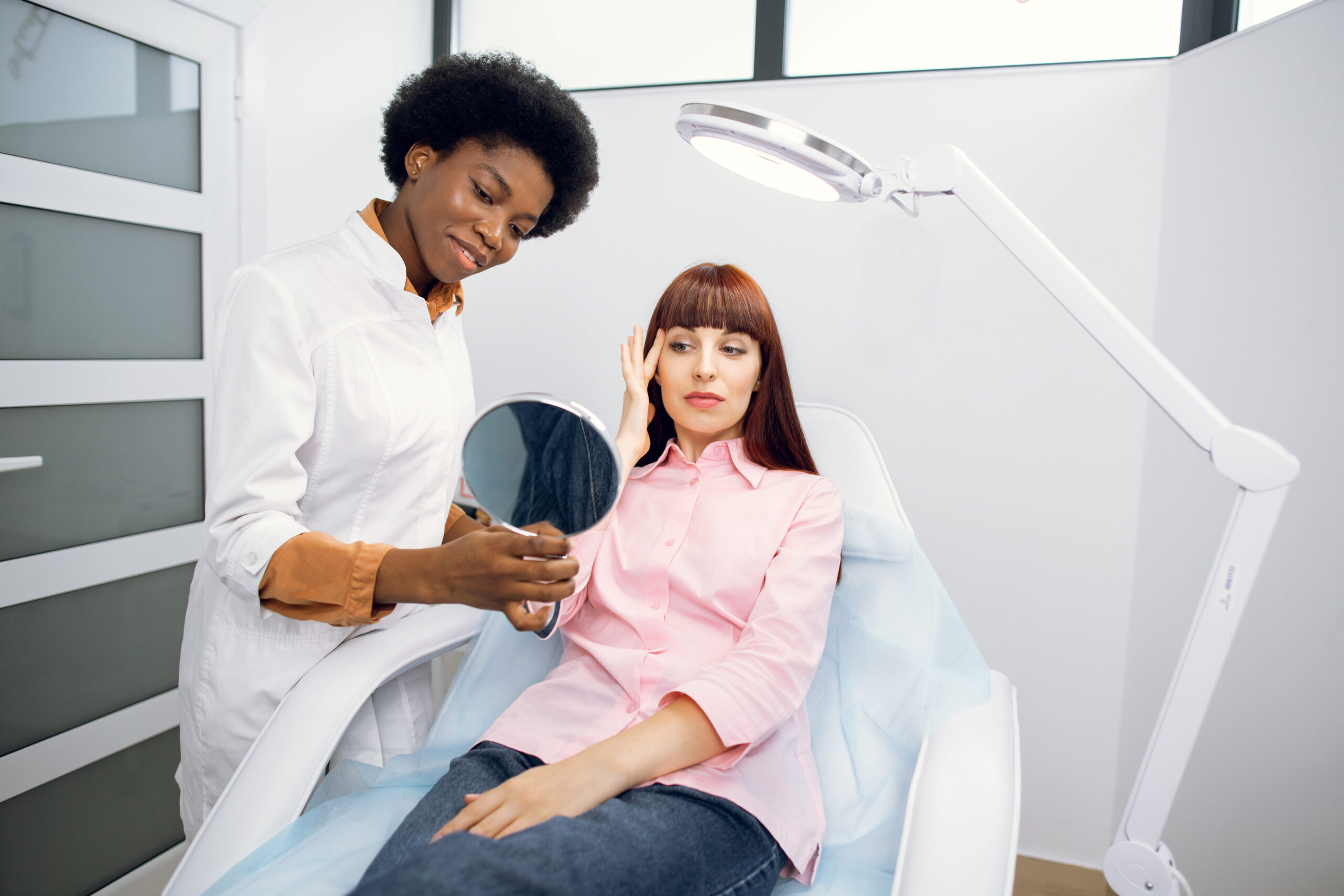

Phorest is medi-aesthetic clinic software that provides the tools and safeguards to help Australian clinics meet their obligations under the Privacy Act 1988 and the Australian Privacy Principles (APPs), tying digital consent forms, before-and-after photos, and multi-session treatment plans directly to each client’s chart. It’s built for the documentation independent and multi-provider medi-aesthetic clinics handle every day. It is not a hospital-grade EMR, and it doesn’t process insurance billing.
If you run a medi-aesthetic clinic, injectables clinic, or medical aesthetics practice, you’re probably searching for very specific answers: Does this software handle consent renewals by service? Where are before-and-after photos stored, and who can see them? What happens to a client’s chart if the front desk software and the clinical software are two different systems? This article answers those questions directly, then walks through what an end-to-end consultation-to-treatment flow looks like in Phorest.
“Phorest has helped us grow faster, operate smarter, and stay focused on what matters most — taking care of our patients. Phorest is the first system we’ve used that’s actively evolving to meet the real-world needs of our industry.” — EVRI Aesthetics, Wilmington, Delaware
What does medi-aesthetic clinic compliance software actually need to do?
Salon software and medi-aesthetic clinic software look similar on the surface. Both handle bookings, payments, and client profiles. The difference shows up the moment a service crosses from cosmetic to clinical. A medi-aesthetic clinic platform needs to:
- Capture informed consent for a specific service, on a specific visit, with a legally usable signature
- Store medical history, contraindications, and allergy information alongside the client record
- Document what was administered (units, lot numbers, injection sites, laser settings) in a searchable, auditable note
- Store before-and-after photos securely and link them to the correct treatment date
- Track multi-session treatment plans (an injectables course, a laser series, a peptide protocol) and flag when a client is due for a follow-up or a consent renewal
- Keep all of the above behind role-based access, encrypted, and backed by an audit trail
According to Phorest’s own research across 350 U.S. medi-aesthetic clinics and aesthetic clinics, 99% already use some form of practice management or booking software, but only 33% use a dedicated EMR. That gap is the market Phorest is built for: clinics that need clinical-grade documentation but don’t want, or can’t justify, a separate, heavyweight medical record system bolted onto their booking software.
Does Phorest Help Medi-Aesthetic Clinics Meet Privacy Act and APP Obligations?
Phorest provides the tools and safeguards to help Australian medi-aesthetic clinics meet their obligations under the Privacy Act 1988 and the Australian Privacy Principles (APPs), for the client and patient data it stores and transmits, including consent forms, treatment notes, and before-and-after photos. In practice, that means:
- Encrypted, access-controlled storage. Client records, consent forms, and photos are stored in the cloud with role-based access, so only the staff who need to see a chart can open it.
- Digital signature capture with version history. Every signed consent form is time-stamped, versioned, and linked permanently to the client’s profile. This is useful if a form is ever challenged after the fact.
- Forms scoped to the service, not the client generally. A laser consent form and an injectables consent form ask different questions and carry different risk disclosures. Phorest lets clinics build a library of service-specific forms rather than relying on one generic waiver for everything.
One nuance worth calling out, because it trips up a lot of new medi-aesthetic clinics: not all client data carries the same level of protection under the Privacy Act. General personal information is protected under the Australian Privacy Principles from the moment it’s collected, but health information is classified as “sensitive information” under the Privacy Act, which generally requires the client’s consent before it can be collected.
| Data Type | Example | Data Protection Status Under the Privacy Act |
| Pre-consultation lead | Name and email submitted through a website contact form, before any consultation | Personal information, but not sensitive information. No health information is involved yet |
| Post-consultation client record | Consent forms, treatment notes, and clinical photos tied to a specific visit | Sensitive information (health information), once it relates to an individual’s health or treatment |
If your medi-aesthetic clinic collects both pre-consultation marketing leads and post-consultation patient records, it’s worth confirming with your compliance advisor how the Privacy Act and APPs apply at each stage of the workflow. You should also ask any software vendor Phorest included, for current compliance documentation. If the vendor has access to sensitive health information, many clinics also put a written agreement in place covering how that information is handled, in line with their obligations under the APPs.
How does medi-aesthetic clinic consent form tracking work?
Blanket consent forms are a liability risk for medi-aesthetic clinics offering multiple treatment types. A form built for a chemical peel doesn’t cover the contraindications relevant to a laser resurfacing session, and a general liability waiver signed at intake doesn’t carry the same weight as informed consent captured immediately before a specific procedure.
In Phorest, consent forms attach to the service and the visit, not just the client:
- Each treatment type (injectables, laser, microdermabrasion, body contouring, and so on) can have its own form with tailored questions and disclosures
- Forms can be sent digitally ahead of the appointment, so clients complete them on their own time and the front desk isn’t collecting sensitive information verbally at check-in
- Every signature is captured electronically and stored against that specific visit
- Multi-session treatment plans can require a fresh consent signature at defined intervals, rather than assuming one signature covers an entire course of treatment
That last point matters for outcome tracking as much as compliance. Software that treats every visit as a standalone appointment makes it easy to lose track of where a client is in their plan.
“Phorest’s digital consultation forms have significantly enhanced our client experience. The ability to pre-send forms ensures we gather all necessary information beforehand, allowing for a seamless and efficient appointment process.” — Sisu Aesthetic Clinic
How are before-and-after photos stored securely?
Before-and-after photography does real clinical and marketing work for a medi-aesthetic clinic, but it also carries real risk if it’s mishandled. Photos taken on a personal phone, texted to a group chat, or stored in a folder unconnected to the client’s chart create a Privacy Act exposure waiting to happen.
Phorest keeps clinical photography inside the client record itself:
- Photos captured before, during, and after a procedure attach directly to that visit
- Side-by-side comparison views make it easy to show progress across a treatment course, in the room or during a follow-up consultation
- Face mapping and treatment-area markup let providers annotate exactly what was treated, supporting both clinical documentation and client communication
- Access to photos is controlled the same way access to the rest of the chart is, not in a separate, less-secure system
How does Phorest track treatment plans, follow-ups, and consent renewals?
A single consultation rarely tells the whole story for a medi-aesthetic clinic client. Injectables need touch-up scheduling. Laser series run across months. Peptide or wellness protocols need adherence tracking. Phorest supports this with:
- Customisable treatment plan templates that outline a full course, not just the next appointment
- Automated reminders that flag when a client is due for their next session or a consent renewal
- Clinical notes with shortcut text (“dot phrasing”) so providers can document consistently without retyping the same language every visit
- Aftercare instructions that go out automatically after treatment, reducing the number of calls the front desk fields about normal post-procedure symptoms
None of this replaces clinical judgement. It reduces the administrative load around clinical judgement, which is what most of the medi-aesthetic clinic operators in Phorest’s own qualitative research said they actually wanted: less time spent hunting for a chart or re-entering the same client history, more time with the client in front of them.
What Doesn’t Phorest Do? Where the Platform Draws the Line
Part of building trust with clinical buyers is being upfront about scope.
| Not Included | What This Means | What Phorest Handles Instead |
| Hospital-grade EMR | No deep clinical workflows built for insurance-billed care, lab order integration, or complex care coordination across specialties | Clinical-grade documentation sized for day-to-day medi-aesthetic clinic and aesthetic clinic visits |
| Insurance billing | No claims processing or medical billing codes | Client-facing payments, packages, and memberships |
| E-prescribing | Doesn’t transmit controlled-substance prescriptions to pharmacies | Documents what was administered as part of the visit’s clinical note |
For the large majority of medi-aesthetic clinics: independent, multi-provider clinics offering injectables, laser, skin, and body treatments without insurance billing that’s the right amount of clinical depth without the overhead of a full medical EMR. Practices that genuinely need insurance billing or hospital-grade EMR infrastructure are a different category of buyer, and it’s worth knowing that going in.
What does the consultation-to-treatment workflow look like in Phorest?
Here’s a typical journey through the platform, from first contact to follow-up:
- Digital consultation form. A prospective client fills out an online intake form before their first visit.
- iPad check-in. At arrival, any outstanding consent forms specific to the booked service are completed on an iPad, with e-signature capture.
- Consultation and charting. The provider reviews history, documents the consultation, and builds or updates a treatment plan directly in the client’s profile.
- Treatment and documentation. During the procedure, the provider records what was administered along with before, during, and after photos.
- Aftercare and follow-up scheduling. Automated aftercare instructions go out, and the system flags the next session or touch-up based on the treatment plan.
- Outcome tracking and consent renewal. For multi-session courses, the platform tracks progress against the plan and prompts a fresh consent signature when the protocol requires one.
- Reporting. Owners and medical directors get visibility into provider productivity, retention, and treatment plan completion without pulling data from three different systems.
How does phorest.propare to other medi-aesthetic clinic software?
Medi-aesthetic clinic buyers evaluating clinical documentation and compliance tend to land on a short list beyond general salon booking tools:
| Platform | General Positioning | Where It Tends to Fit |
| Phorest | Booking, marketing, and clinical documentation like consent, charting, photos in one connected platform | Independent and multi-provider medi-aesthetic clinics that want clinical-grade documentation without a separate EMR |
| Zenoti | Enterprise platform built for large medi-aesthetic clinic groups and consolidators | Larger, multi-location or PE-backed clinic groups that need enterprise-scale infrastructure |
| Pabau | Clinically focused practice management software with a strong footprint among UK, Middle Eastern, and Australian aesthetics clinics | Practices that prioritise EMR-style clinical record keeping as the primary requirement |
| Timely | Booking-led platform based in New Zealand with dedicated ANZ support | Smaller or appointment-led clinics that want straightforward scheduling with regional support |
Fresha and Mindbody also come up often in Australian medi-aesthetic clinic software searches, but they’re general wellness-and-beauty booking platforms first. Fresha is well known for its commission-based marketplace model, and Mindbody offers broad marketplace discovery, useful if scheduling and client-facing booking are the priority, but neither was built around clinical documentation the way a platform built specifically for medi-aesthetic clinics is.
If your evaluation criteria are specifically about compliance and documentation the comparison worth making is less “which platform is biggest” and more “which platform treats clinical documentation as core, not an add-on.” That’s the question this article, and the platform itself, is built to answer.
Frequently asked questions
Does Phorest support SOAP-style clinical notes?
Yes. Providers can document consultations and treatments with structured, consistent notes, including shortcut text for common phrasing, all linked to the client’s ongoing record.
Can Phorest store before-and-after photos securely?
Yes. Photos are time-stamped, linked to the specific visit, and protected by the same access controls as the rest of the client’s chart — not stored separately or on personal devices.
Is Phorest a good fit for an injectables or laser clinic?
It’s built for exactly that use case: service-specific consent forms, multi-session treatment plans, and documentation for injectables, laser, and body treatments, combined with the booking and marketing tools those clinics also need.
Does Phorest replace a medical EMR?
No. Phorest covers the documentation most medi-aesthetic clinics need day to day, but it isn’t built for insurance billing or hospital-grade clinical infrastructure. Practices with those requirements need a dedicated medical EMR.
Does Phorest handle prescription writing?
No. Phorest documents what was administered during a visit as part of the clinical note. It doesn’t transmit e-prescriptions to pharmacies.
Does Phorest provide documentation to support Privacy Act compliance?
Phorest provides tools and safeguards designed to help clinics meet their obligations under the Privacy Act and APPs, and can share current compliance documentation on request. Ask your Phorest representative for documentation specific to your clinic’s setup, the same way you’d vet any medi-aesthetic clinic software vendor before switching.
What happens to historical data when switching to Phorest from another platform?
Migration is handled by a dedicated team, and clinics are encouraged to map out what historical data needs to transfer before the switch, since incomplete data migration is one of the most common frustrations medi-aesthetic clinic operators report with past software transitions.
Sources: Phorest MedSpa Quantitative Research NA (2025); Phorest MedSpa Qualitative Research NA (2026); Phorest Positioning for MedSpas NA.